About DrAlice

Dr. Alice Cash is one of the world’s few clinical musicologists. Based in Louisville, Kentucky, USA, she brings to her work over 40 years of professional experience as a college professor, clinical therapist, solo and chamber music performer and composer. Since 1990, Dr. Cash has been in the field of Music Medicine and conducted clinical research at the University of Louisville School of Medicine, under the guidance of Dr. Joel Elkes, Dr. Leah Dickstein, and Dr. Rif El-Mallakh. Her clinical work at the University of Louisville lead to her career in music medicine. In addition to her work with the University of Louisville, Dr. Cash lead the development of using music a hospital setting at Baptist East Hospital, Louisvile, KY. She has founded 3 companies: Healing Music Enterprises, Surgical Serenity Solutions and Crescent Hill Counseling.
"Tune Your Life with Music!"

Dental Pain eased with Surgical Serenity


FacebooktwitterpinterestlinkedinmailFacebooktwitterpinterestlinkedinmail
dentistry music

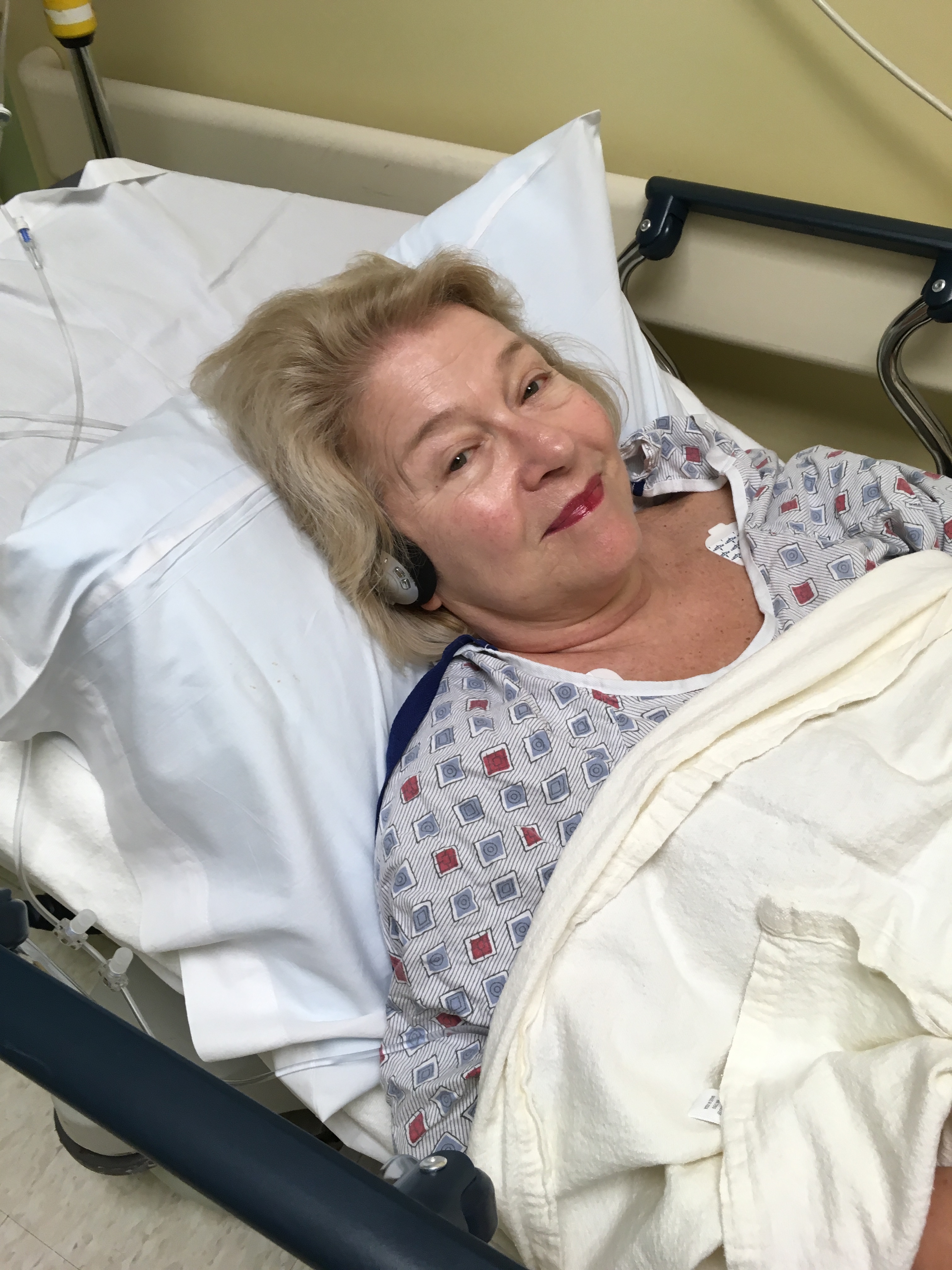
Calming down with SSS music through cordless headphones, waiting for implant procedure to start.

Dental Pain is one of the most frequently encountered pains in today’s world.  We all know that we’re supposed to go to the dentist at least twice a year, but no one really wants to go.   Who would?  Psychologists tell us that lying on your back, with a relative stranger in your face, is a very stressful position to be in anyway; then the high-pitched drill starts and your whole body tenses up, in preparation for the pain which can be excruciating at any time!  It’s a wonder that ANYONE goes to the dentist willingly!

One of the things we know about pain, and the anticipation of pain, is that it makes people tense up every muscle in their body, in preparation for fight or flight.  The problem is that when the muscles are tense, the pain is worse!  The more relaxed the body can be, the better the anesthetic will work, whether novocaine or, in the case of many dental surgeries, general anesthesia.

For decades now, dentists have been offering nitrous oxide as a way of helping patients relax but nitrous oxide brings it’s own perils.  One of the biggest is Lack of Oxygen
Lack of oxygen is the most serious Nitrous Oxide side effect. Medically known as ‘hypoxia’, it occurs when someone stops breathing or breathes too shallowly or too slowly to meet their oxygen requirements- usually because they are overly sleepy from the nitrous oxide drug sedation. While this is a very rare side effect of nitrous oxide, it does occur. The majority of the time, this reduced oxygen is caught very early, the patient is given oxygen, helped to wake up more, and there is no lasting damage. But if the hypoxia goes unnoticed for too long, then brain damage and even death HAS occurred. Again, this is a VERY rare nitrous oxide side effect, but it IS real. (see http://www.side-effects-site.com/nitrous-oxide-side-effects.html)

That is why our Surgical Serenity Solutions scientifically chosen music, through our lightweight, cordless headphones, is the ideal way, not only to relax the body, but also to greatly reduce the NOISE of the drill and other high-powered equipment being used.  If you or a family member have a dental procedure coming up, please get yourself and your family to use through the procedure.


FacebooktwitterpinterestlinkedinmailFacebooktwitterpinterestlinkedinmail

Colonoscopy greatly eased with Surgical Serenity Solutions

FacebooktwitterpinterestlinkedinmailFacebooktwitterpinterestlinkedinmail
Surgical Serenity w colonoscopy

after the colonoscopy

Colonoscopy is a common procedure these days, and one that is very helpful for diganosing colon cancer in its earliest stages.  BUT, it sure is not a pleasant procedure, even after you’ve done the cleansing prep!  I was told that it was time for my every 10 years colonoscopy and I was not looking forward to it.  Of course I knew immediately that I would use my Surgical Serenity Solutions headphones and music.

I decided to start preparing myself 10 days in advance by limiting the amount of meat that I ate, and for the last four days, had no meat at all.  I wanted the prep cleanse to be as easy as possible and, although, it wasn’t pleasant, it wasn’t nearly as bad as some of the previous ones.   The last 36 hours before my colonoscopy, I had no solid food at all and that was definitely not pleasant.  I bought plenty of chicken broth, jello (but nothing red, purple or orange!) apple juice, ginger ale, and black coffee.

I had to be at the hospital by 7:30 a.m and was up for much of the night before going through the cleanse process. ;-(  As soon as I checked into the hospital colonoscopy suite, I put on my Surgical Serenity headphones and immediately began to calm down and relax.  By the time they called me back about 30-40 minutes later, I was almost asleep!  The nursing staff was so interested and wanted to know all about them and even try them on!!

So after the anesthesiologist had checked in with me and the nurse had inserted the IV, I was wheeled away for the colonoscopy procedure, headphones still playing the beautiful, soothing, calming music.  Next thing I knew, I was waking up in the recovery room and asking for some coffee and asking if I could go out for breakfast!!  I was starving!  Unlike previous procedures, I had absolutely no nausea or grogginess.  I do believe that the Surgical Serenity headphones made a huge difference and I continued to wear them all the way to breakfast!

FacebooktwitterpinterestlinkedinmailFacebooktwitterpinterestlinkedinmail

Cataract Surgery Case History with Surgical Serenity Solutions

FacebooktwitterpinterestlinkedinmailFacebooktwitterpinterestlinkedinmail

Cataract Surgery:  Our headphones continue to be used with a wide variety of surgeries and procedures.  One of the most recent was a cataract surgery with a 65-year-old male patient.  The patient was moderately anxious before the procedure, primarily because he didn’t want to be sidelined too long with anesthesia related “brain fog.”  When he heard about the anesthesia-sparing benefits of music, he was eager to try them.

Cataract Surgery w Music

Waiting for cataract surgery

Before the Cataract Surgery

Waiting to be called back; wearing headphones

The patient put the headphones on as soon as he arrived at the surgery center for outpatient surgery.  As you can see from the picture, he was comfortable enough with the fit and the music to start working immediately on his iPhone!  Patient reports that one of the things he appreciated most about his nearly 60-minute wait prior to prep, was that he didn’t have to listen to other people’s conversations or the TV that was playing in the waiting room.

When patient was finally called back, he continued listening to the soothing, rhythmic music as gown was donned and IV inserted.  The next photo reflects his calm and readiness to go into cataract surgery:  Patient reported that in addition to cataract surgery, he was also getting an implant to improve his near-sightedness.

CataractSurgeryRecovery

After cataract surgery with Surgical Serenity Solution

After the surgery, the patient said that the music had accompanied throughout the entire surgery and that when he woke up from the anesthesia, he immediately remembered where he was and why he was there.  He said that in previous surgeries he had awakened not knowing where he was and feeling nauseous.  This time, he felt calm, alert, focused, and ready to go home.

The operating team said that he had taken a minimum of anesthesia and no pain medication at all.  He was sent home with nothing more than the usual eye drops every few hours, eye protector and advil, if needed, and which he did not need.  Patient says that he is so glad that he used the headphones and that he will always do so in the future!

To get your own Surgical Serenity Solutions pre-programmed headphones, go to www.SurgicalSerenitySolutions.com.  We have two different models.  Both have the same proven successful music on them.  Buy some today for your family to use.  Dental work, blood work, MRIs, any procedure that causes anxiety or potential pain will be improved when wearing these lightweight, cordless headphones.


FacebooktwitterpinterestlinkedinmailFacebooktwitterpinterestlinkedinmail

3 Things to consider if you’re going under general anesthesia

FacebooktwitterpinterestlinkedinmailFacebooktwitterpinterestlinkedinmail

RecoverySliderAre you having surgery sometime soon?  Are you concerned about going under general anesthesia because you’ve heard that general anesthesia is dangerous?   General anesthesia is probably safer than it’s ever been.  There is certainly a direct correlation between the amount of anesthesia a person needs, and the speed with which they recover.   If you have had a previous bad experience with anesthesia or are elderly, frail, or red-headed (yes, redheads react very differently to anesthesia!), OR, if you’re just a little anxious, then there are few basic facts you should know.

  1.  Ask your doctor if you absolutely need general anesthesia.  Many procedures can be done under a regional block or even local anesthesia.  But if you’re having open-heart surgery or other surgeries that require general anesthesia, then find other ways to reduce the amount, like supplementing with slow, steady, soothing music.
  2. Your chances of dying under general anesthesia are 11-16 per 100,000 and much does depend on the age and general level of health of the patient before the procedure.  The anesthesiologist is closely monitoring every aspect of your body rhythms and levels and has many ways of keeping you safe.
  3.  If you can meet with the anesthesiology team before the procedure, to discuss any concerns or previous surgery issues, or problems related to anesthesia that run in your family, that will let you rest easier.

Anesthesia is administered safely every day around the world, but if you’re having surgery for the first time, or have had a difficult experience with anesthesia in the past, then you want to be as well prepared as possible.

Hundreds of studies have been conducted on the use of music as an adjunct to anesthesia. Just last August (2015) the esteemed British Journal “The Lancet” published a huge meta-analysis of over 4000 studies on the use of music with surgery.  The overwhelming verdict is that music is a powerful and easy to administer adjunct to anesthesia.  And NOW, the study that was done last year at the VA Hospital here in Louisville, KY, is just about to be published in the International Journal of Anesthesia an Research (IJAR).  Our product is poised to be in every OR on the planet within 10 years and we are working day and night to get the price down to where individuals can afford it, as well as hospitals when they order in bulk.  Surgical Serenity Solutions has created cordless, pre-programmed headphones for the patient to wear, starting pre-surgery and continuing on through surgery and into the recovery room.  To learn more about these and purchase them, go to www.SurgicalSerenitySolutions.com.  You can reduce the amount of anesthesia required, have a safer procedure, and recover faster.

FacebooktwitterpinterestlinkedinmailFacebooktwitterpinterestlinkedinmail

Music After Surgery: PACU benefits

FacebooktwitterpinterestlinkedinmailFacebooktwitterpinterestlinkedinmail
CystoscopySSS

Music in the PACU

Have you used music after surgery in the PACU?  The surgery is over but the patient is still under anesthesia and just beginning to emerge.  The headphones are still on the patient’s head but is the music actually help the patient?  YES it is!  Based on the hundreds of people who have used the headphones, we have learned that the music can:

  • reduce nausea and vomiting
  • provide orientation to time and place, after being disoriented under anesthesia
  • allow for a faster release from the Post Anesthesia Care Unit
  • decrease perception of pain and pain med requirements
  • Help patient get back to the life before surgery was needed

Are these significant benefits?  You bet they are!  The thing about having the Surgical Serenity music playing from the moment you arrive at the hospital on the morning of surgery, is that it begins slowing down your rapid breathing (anxiety) and your rapid heartbeat (anxiety).  When you are anxious, your breathing becomes very shallow and rapid.  You feel like you might go into a “fight or flight” response.  How does the music slow down these involuntary responses?  It does it through a process called “Rhythmic Entrainment.”  This is the same phenomenon (from physics) that makes you clap your hands when you hear rhythmic music.  The process also works with slow, rhythmic music to calm you down by synchronizing your heartbeat and breathing to the pulse of the slow, rhythmic music.

healthy resting heartbeat entrains to music through headphones

Patient enjoying serene music that entrains with healthy resting heartbeat

When you go into surgery, the music helps KEEP the heart and breathing slow and steady, so you need less anesthesia during the surgery.  When this music is coming through our cordless headphones, patient doesn’t hear the surgeon’s conversation or music, which is often faster than healthy resting heartbeat.

By the time the patient gets to the recovery room, or PACU, the heartbeat and breathing remain slow and steady, but as the patient wakes up, the music helps to orient them to where they are and reminds them, in a positive way, of what just happened!  This is just a birdseye view of what happens when the patient uses our Surgical Serenity Solutions headphones during their surgery or other medical/dental procedure. To purchase these for your PACU or ASC, go to www.SurgicalSerenitySolutions.com/hospitalheadphones.

FacebooktwitterpinterestlinkedinmailFacebooktwitterpinterestlinkedinmail

Pre-programmed headphones will make appearance around the country

FacebooktwitterpinterestlinkedinmailFacebooktwitterpinterestlinkedinmail

With the addition of our new “patient” model headphones, we are beginning to get calls from around the country from hospitals, pain clinics, surgery centers, and dental centers.  We’ve finally found a great headphone that is able to hold our patented and proven playlist and is quite affordable for these centers to GIVE to each patient.  That way there is absolutely no concern about spreading bacteria between patients, and patients can continue to heal after their surgery to the same music that soothed them before and during their procedure.

After spending many hours in hospital waiting rooms I’ve experienced that high level anxiety that permeates the atmosphere of most of the patients.  Just one week ago I was at a large hospitals waiting room downtown here in Louisville, KY and it was very obvious that they were understaffed and not well-prepared for the number of sick patients that crowded into every available chair.  After being called back into an examining room, the anxiety was still quite palpable and even behind the closed door, I could hear loud conversations from both nurses and patients.  There were even patieCystoscopySSSnts lying in the hallways and every interaction was quite public.

Imagine if this was you, and someone brought you a set of lightweight headphones with beautiful, calming soothing music to put on while you wait?  My family member, of course, had some because I always keep some with me for demonstrations.  It was really a huge relief for her because the noise level was so high and also  the anxiety hung heavy in the air.  Between conversation and examinations, she was actually able to sleep and tune out the noisy hallways and even the noisy nurses station.

If you are interested in getting our headphones into your local hospital or dental center, surgery center, pain center, or any medical facility, just get in touch with me through www.SurgicalSerenitySolutions.com and we’ll be happy to prepare an estimate for you.  The research is there.  Calm, soothing music makes a huge difference in reducing pain and anxiety in the surgical/dental setting.


FacebooktwitterpinterestlinkedinmailFacebooktwitterpinterestlinkedinmail

Headphones for the patient?

FacebooktwitterpinterestlinkedinmailFacebooktwitterpinterestlinkedinmail

Headphones for the patient undergoing surgery is a must!  Why has it taken so long for the medical/surgical community to realize this?  Surgeons have been using music for themselves, assuming that if the patient enjoys it, that would be nice, but not medically significant.  Has there been a misunderstanding?  No, I think it’s a matter of educating the patients, the doctors, and the hospital administrators.  Surgeons have been choosing their preferred music in the OR for many decades now.  Patients and administrators have assumed that the music would also be effective for them, especially since they would be asleep for most of that time.

But is that really the case?  NO.  When music is being played ambiently in the OR, through speakers on a nearby table or counter, speakers in the wall or ceiling, the patients may vaguely hear that music, but they also hear the conversations, the sounds of surgery (which might include drilling, sawing, and hammering!) and the beeping of various monitors in the OR!  This is not soothing for the patient.

After over a decade of research, and patient/staff accounts, we know for sure, that when the patient puts on cordless, lightweight headphones that are pre-programmed with soothing, slow and rhythmic music, they do better.  Why?  Because the music that has been chosen is the ideal music to engage rhythmic entrainment and place the patient in a “sonic cocoon.”  This keeps that patients heartrate and breathing synchronized to the music, and outside conversation and noises do not penetrate the patient’s consciousness.

We are excited about our new headphone model that is priced so that the hospital can GIVE each surgical patient a headphone to take home with them.  Our initial efforts are focusing on hospitals that have multiple facilities around the country, but if you would like us to talk with administrators at your hospital, just let us know, and we’d be happy to set up an initial call!!

FacebooktwitterpinterestlinkedinmailFacebooktwitterpinterestlinkedinmail

Why Headphones in Surgery?

FacebooktwitterpinterestlinkedinmailFacebooktwitterpinterestlinkedinmail
headphones in surgery

Headphones before surgery

Have you had headphones in surgery before?  This is increasingly happening in operating rooms around the world.  If so, you know that today, most surgeons play their preferred music in the OR.  Most of the time, they choose the music that they prefer.  I’m totally in support of the surgeon having his preferred music, but rarely is this the music that the patient needs to hear.

When preparing for surgery, the patient needs slow, soothing, steady, simple textured, purely instrumental music. That is likely NOT what the surgeon will be choosing.   The surgeon wants music that will help keep his energy and focus at a high level, sometimes rock and roll, sometimes upbeat jazz, sometime classical.  Ir order for the best surgical outcomes,  the patient needs to have headphones!

When the patient listens to their ideal music through lightweight, cordless headphones, such as the ones John has on in this photo, he can have the slow, steady, soothing music that will calm jangled nerves, stabilize breathing, blood pressure and body temperature, and decrease the need for as much anxiety medication and pain medication.  It may even decrease the amount of anesthesia required, because when the patient is relaxed prior to surgery, it takes less anesthesia to put them under.  And then the surgeon can have his own preferred music coming through speakers in the OR for him and for the staff to entrain with.

In addition to all the benefits for the patient and the surgeon, the hospital also benefits because in our research studies, patients who utilized the Surgical Serenity headphones had higher patient satisfaction ratings, across the board!

Another benefit is that HIPAA compliance is improved when patients are wearing the headphones in the pre-surgical area where medical staff is often discussing details of upcoming procedures with patients who are waiting in close proximity with only a curtain separating them.

To purchase the pre-programmed Surgical Serenity Headphones, click HERE.

FacebooktwitterpinterestlinkedinmailFacebooktwitterpinterestlinkedinmail

Putting Your Music on Our Headphones

FacebooktwitterpinterestlinkedinmailFacebooktwitterpinterestlinkedinmail

Are you think of putting your music on our headphones?  This afternoon I received an email from a lady who is having both knees replaced and wanted to use some music that she used 22 years ago for a heart procedure.  The problem is that the music, at that time, was on cassette tapes.  Can it be done?  Of course, but cassette tapes are in an analog format, so the music must be digitized.  It could be transformed into an MP3 file, or even a CD, which could be popped into a laptop and uploaded.

Will this lady be able to do that in time for her surgery?  We shall see.  She says she has some “young people” who can help and they are to call me tomorrow.  I certainly hope we can make it  happen for her, but this brings us to one of the main reasons I created these pre-programmed and programmable headphones in the first place.  When a patient finds out that they need surgery, or they decide that are going to have a procedure they’ve been putting off, creating their own music on headphones is not easy.  That’s why I’ve done it for you!  The classical piano music I’ve chosen is not familiar to most people and so there are no particular associations with it.

If you want to put your music on our headphones, you can certainly do it.  But you’ll need some basic skills with a USB cable and digital files.  If I can help or answer questions for you, don’t hesitate to email me here!!  Be healthy!

FacebooktwitterpinterestlinkedinmailFacebooktwitterpinterestlinkedinmail

Fundraising begins for headphones

FacebooktwitterpinterestlinkedinmailFacebooktwitterpinterestlinkedinmail
Surgical Serenity Solutions

Alice at AORN conference in Chicago

I’m excited, but also a little bit scared:  Fundraising begins for our new model of Surgical Serenity Solutions.  I’m sure you’ve heard me talk about how excited we are to have a new headphones that is 1/5 the cost of the other one.  Our goal is to make the headphones so affordable that a hospital can issue them to each patient having surgery or other painful, anxiety-producing procedures.  Still, we have to order 1000 of them to pass on our huge savings to you!  So we are fundraising through the fantastic Kiva program for entrepreneurs.

Would you be willing to make a $25.00 loan to Surgical Serenity Solutions?  This is a loan that will be matched by Kiva and repaid within three years. Here’s the info: Make a $25 loan to SSS.  Of course, more than $25 would really be appreciated too!

Since I posted this a few weeks ago, many more expenses have suddenly appeared. My patent is up for renewal and it costs almost $2000.00 just to renew the patent!  Then I discovered that one of the factories that we deal with in China had suddenly closed!!  Now I’m having to hire a man who goes to China multiple times a year to check out factories and make sure that they are legit!  These are expenses I was not counting on, so the Kiva Zip loan will also be used for some of that!  When fundraising begins, you just don’t know what all the expenses will be.

Please give us a loan for as much as you can?  You will definitely get it back!  Then we can get our wonderful music out to all surgery patients and anyone who is anxious and fearful about a medical procedure!

FacebooktwitterpinterestlinkedinmailFacebooktwitterpinterestlinkedinmail
Go to Top