About DrAlice

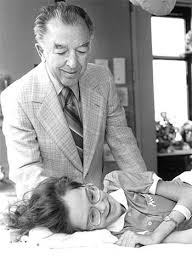
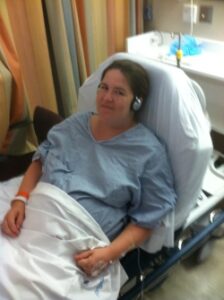
Dr. Alice Cash is one of the world’s few clinical musicologists. Based in Louisville, Kentucky, USA, she brings to her work over 40 years of professional experience as a college professor, clinical therapist, solo and chamber music performer and composer. Since 1990, Dr. Cash has been in the field of Music Medicine and conducted clinical research at the University of Louisville School of Medicine, under the guidance of Dr. Joel Elkes, Dr. Leah Dickstein, and Dr. Rif El-Mallakh. Her clinical work at the University of Louisville lead to her career in music medicine. In addition to her work with the University of Louisville, Dr. Cash lead the development of using music a hospital setting at Baptist East Hospital, Louisvile, KY. She has founded 3 companies: Healing Music Enterprises, Surgical Serenity Solutions and Crescent Hill Counseling.
"Tune Your Life with Music!"

Introducing Surgical Serenity Solutions…with the help of AI


FacebooktwitterpinterestlinkedinmailFacebooktwitterpinterestlinkedinmail

Recently, our company decided that we needed a concise introduction to the products and services offered by Surgical Serenity Solutions. We came up with this two-minute video, created by a company that specializes in artificial intelligence-based videos. I think it does a good job of presenting the concept and the products. But I am painfully aware of how robotic the AI gentleman is!

I’m not sure whether or not anything can be done about it, but I would like to give him a little more personality, if that’s possible.

Nevertheless, this does make it clear that we now have three distinct methods for delivering our proprietary, tSurgical Serenity Solutions delivery of therapeutic music optionsherapeutic playlists:

Hospitals can purchase the preloaded headphones or the preloaded MP3 players with decreasing prices the more product ordered. They can also license our music through the mobile apps and stream the music to different parts of the Surgical Suite or other parts of the hospital.

For more information or to purchase today, go to www.SurgicalSerenitySolutions.com/contact-us or www.SurgicalSerenitySolutions.com/mp3players


NOTE: We encourage you to donate our headphones or MP3 players to the hospital or clinic of your choice. Contact us to discuss how this might work. 

FacebooktwitterpinterestlinkedinmailFacebooktwitterpinterestlinkedinmail

What Physicians say about Surgical Serenity Solutions

FacebooktwitterpinterestlinkedinmailFacebooktwitterpinterestlinkedinmail

In this blog, I share remarks and reviews from surgeons, anesthesiologists and music therapists. Their comments are specifically about Surgical Serenity Solutions headphones and music.  I am so proud of the product and business my colleagues and I have created and hope that one day it will be standard procedure to use this with surgery and other painful medical procedures. These are some of my favorite comments and reviews.

Dr Friedman at CCFDavid Friedman, MD, Cleveland Clinic, Florida:

“We were among the first of the 20 Cleveland Clinics to use the Surgical Serenity Solutions headphones and were so pleased that we invited Dr Cash down to our Florida hospital so that she could deliver a Grand Rounds lecture to our surgeons and anesthesiologists on her research and her patented solutions. We intend to use her mobile app, too, when it is available with our own or patient’s Bluetooth headphones.”

Sandra Elam, MD at Lifespring Inc.:

“Dr Alice Cash’s earphones designed for surgery are the highest and best thing you can do for yourself if you are facing surgery. I had had a failed bowel resection (colectomy) , then an ileostomy. I was in no way prepared for those surgeries and they were terrible. Using Dr. Cash’s headphones for the third and reversal surgery was a completely different experience. The surgeon as well as the anesthesiologists were impressed and said that it made their work easier!! I don’t know why everybody doesn’t wear them into surgery!”

Les Garson, MD, Anesthesiologist at University of CA, Irvine Medical Center (2014):

“Dr. Cash has created a valuable new addition to the surgical suite. Now patients and surgeons can benefit from music with surgery to facilitate faster, safer procedures. Bravo.”

Thomas Mayo, MD, Anesthesiologist in Boston, MA:

“As an anesthesiologist with an extensive background in classical music, I am a strong proponent of Dr. Cash’s headphones. Rarely, if ever, in medicine is there an intervention that has repeatedly demonstrated efficacy in multiple studies that also carries with it virtually no risk to the patient. As a physician, I am always weighing the risks and benefits of each treatment to determine if it’s worth utilizing. Surgical Serenity Headphones are unique in that they carry immense benefits without any downside. I am always pleased to accommodate a patient’s wishes to bring music into the operating room. I would be particularly enthusiastic if they had these pre-programmed cordless headphones that would maximize the physiologic benefits through rhythmic entrainment. I recommend talking to your surgeon as soon as possible in the process, and certainly mention your desire to bring headphones in on the day of surgery to the anesthesia team. This would best be accomplished if you have a pre-op appointment with someone from anesthesia, but not everyone will have this chance. This could also happen during a pre-op phone call. Whenever it happens, try to be prepared to assuage any concerns or skepticism with the fact that these headphones, and music in general, have been and are currently being used in operating rooms across the planet, including many world-renowned medical centers.”

Lisa Gallagher, Music Therapist, Cleveland ClinicLisa Gallagher, MT-BC [board certified music therapist], Head of Music Therapy, Cleveland Clinic:

“These headphones are an ingenious solution to the delivery of music during the perioperative period. Get them for your next surgery, dental visit, or medical procedure and feel the difference!” Cleveland Clinic Head of Music Therapy, 2014

Scott Sugar, MD, Anesthesiologist:

“I had been thinking for a long time about how music and surgery/anesthesia could work together to help calm patients without as much anesthesia. Surgical Serenity Solutions has solved this process and has affordable, effective headphones and music waiting for the patient.”  


Michael Peck, MD, Anesthesiologist at Johns Hopkins Suburban Hospital:

“These surgical serenity headphones are a gift to the medical world because there are so many different places in medicine and dentistry where they can calm and soothe the patient naturally. This idea is such a refreshing  way to reduce anxiety in the operating room and should be standard equipment going forward. The difference it makes in reduction of anxiolytics and opioids is remarkable.”


Arthur Harvey, DMA, Music for Health Services:

“I’ve watched the progress of this wonderful business, from idea to manifestation! Dr. Cash has created a process and a tool that will alleviate of lot of anxiety, pain, and suffering, all through the power of music! Bravo!”


Surgical Serenity Solutions delivery of therapeutic music optionsIf you or your hospital ASC, or clinic is interested in incorporating the Surgical Serenity Solutions into your surgery protocols, and (skyrocketing your patient satisfaction scores!) please contact us at www.surgicalserenitysolutions.com/contact-us


FacebooktwitterpinterestlinkedinmailFacebooktwitterpinterestlinkedinmail

Rhythmic Entrainment Explained

FacebooktwitterpinterestlinkedinmailFacebooktwitterpinterestlinkedinmail
Doctors and Rhythmic Entrainment

Surgeons and anesthesiologists are using music in the ICU more than ever before.

Rhythmic entrainment is a very well-documented scientific phenomenon that was discovered in 1665 by a Dutch physicist named Christian Huygens. Although Huygens original experiment was with metronomes, the principles that he discovered also have applications to the human body undergoing surgery. What the concept states is that vibrating bodies in close proximity tend to synchronize and beat/pulsate in unison. Here is the definition found in Wikipedia:

Entrainment in the bio-musicological sense refers to the synchronization (e.g. foot tapping) of organisms to an external perceived rhythm such as human music and dance. Humans are the only species for which all individuals experience entrainment, although there are documented examples of entrained nonhuman individuals.

There are different kinds of entrainment, such as the entrainment of moods or feelings, but we’re talking about rhythmic entrainment. This occurs, when a steady rhythm or pulse, is present near a human body, in this case the patient. As a direct result of the slow, steady pulse of the music, the patient’s heartbeat and rhythm begin to calm down and then synchronize with the music.

It was further discovered that even when patients are sleeping, in a coma, or under general anesthesia, the body still responds to the pulse of a nearby, steady beat. For that reason, if the patient undergoing a surgical or dental) procedure rhythmic entrainment can be obtained with slow, steady, soothing music delivered to the brain, through (preferably) cordless headphones. With headphones, the music goes directly to the brain through the eighth cranial nerve and the patient’s heartrate and breathing begin to slow down and stabilize. This is the power of rhythmic entrainment.

going under anesthesia

Doctors were anesthetized Women who are surgical patients

One of the many tasks of the anesthesiologist is to monitor the vital signs of the patient to make sure the heart rate, breathing, blood pressure, and body temperature are stable. If any of these vital signs can be stabilized simply by the patient listening to music that engages rhythmic entrainment, then that is the way to go.

Entrainment in general

Rhythmic entrainment is a type of entrainment, but entrainment happens in many different settings in life. There is social entrainment, for example; when you go to a football game or other sporting event, there are cheerleaders there to whip the crowd into a frenzy of enthusiasm for their team. Getting everyone to cheer together, to sing together, to chant together. This is entrainment and here, it’s the mood that is being entrained. Same with a rock concert, where a current pop music idol like Lady Gaga or Taylor Swift is performing. The crowd is entraining with the electric mood of the event.

Another very different example would be a church or religious service. After singing a congregational hymn or response, the attendees are feeling joined together and of a like mind. This is entrainment. When a chorus, a choir, an orchestra or a chamber ensemble experiences exact unity when performing a music work together, this is entrainment.

Not only do they entrain with each other, but they also entrain with the audience. This is one of the ways that you can tell if the performance went well. At the conclusion, the audience leaps to their feet and the performers are beaming with joy.

But until recently, the power of musical entrainment in a hospital or surgical setting has never really been explored or applied to the individual patient having surgery or other medical/dental procedures. Now when I speak to conferences and gatherings of medical personnel, they invariably say, “What a great idea! I’m surprised no one thought of this sooner!”

Dr and patient talk

Dr Leatherman was one of the first physicians in Louisville to use music in the operating room.

When a physician or nurse enters a patient examining room, one of the first things they do is to listen to the heartbeat and the lungs. Heartbeat and breathing are both involuntary processes that should be slow and rhythmic in a healthy patient. When either of these is erratic, too shallow, or too fast, the patient is NOT in a state of good health but is in a state of dis-ease. Understanding body rhythms and their reflection of health is part of the physician’s job. Music can help with this.

To get music into YOUR hospital, please visit www.surgicalserenitysolutions.com/mp3players or www.surgicalserenitysolutions.com/hospitalheadphones

Understanding rhythmic entrainment will allow you to provide the best surgical experience for your patients!

FacebooktwitterpinterestlinkedinmailFacebooktwitterpinterestlinkedinmail

Breakthrough Medical Treatment Using the Power of Therapeutic Music

FacebooktwitterpinterestlinkedinmailFacebooktwitterpinterestlinkedinmail

Patient awakening from surgery using the surgical serenity headphones

People have known for millennia that music, sound, and vibration can have a soothing, calming effect.  The first music created by humans was probably created to imitate the sounds of nature that we knew were soothing and calming: birdsongs, waves lapping the shore, wind through the trees, a babbling brook—all of these were thought to be calming and comforting.

Today, we are taking calming, therapeutic music into the surgical suite, to calm and soothe the jangled nerves of the patient about to have surgery. An innovative clinical musicologist has created and patented a process to provide this music, through cordless headphones, or MP3players to the patient throughout the perioperative period.

The Existing Medical Research

A clinical trial was conducted at the Veterans Hospital here in Louisville, Kentucky.  Veterans undergoing major abdominal surgery wore our Surgical Serenity Solutions lightweight, pre-loaded, headphones before, during and after the surgery, and into recovery.  The results were impressive.

The MOST exciting result was a statistically significant decrease in opioid consumption after the surgery was completed. This was important because the opioid epidemic has been raging now for decades it is exciting to know that listening to this therapeutic playlist through cordless headphones can make a significant difference.

The veterans really enjoyed the music too. Many of them initially asked for rock and roll or country music. The experimenter, Dr. Marina Varbanova, an anesthesiologist,  explained that when a patient is having surgery it is best to use calming music that is purely instrumental and does not have a lot of associations. In a way, this is the opposite of music therapy where a one on one relationship is created and the music therapist tries to determine what kind of music the patients prefers and achieve positive therapeutic goals by playing the music that has positive associations for them.

Once the veterans understood the purpose of the music for surgery, they were fine with the classical playlist and several responded that they didn’t realize until then that they really do like classical music. This published study can be read at https://www.surgicalserenitysolutions.com/wp-content/uploads/2016/07/Our-SSS-study.pdf  

Using the Therapeutic Playlists in places other than surgery

Insomnia and music Insomnia seems to be a serious problem for lots of people these days. Although we do have a specific “Lullaby Playlist,” since these 5 therapeutic playlists were created for the surgical patient who is being put to sleep, any of them have a very soothing and soporific effect.

Men and women have reported that they fell asleep quickly and stayed asleep for longer than usual when they used this music at home.

Now that we have each playlist available in a mobile app format, (www.surgicalserenitysolutions.com/calm) you can listen with your own earbuds or through a nearby bluetooth speaker, playing very softly.

In addition to actual surgical procedures and insomnia, there are in-hospital procedures such as colonoscopies, labor and delivery, and even blood draws. For the patient having these procedures, we offer the preloaded, cordless, fully self-contained headphones that the patient can use over and over, even at the dentist. To get those, go to www.surgicalserenitysolutions.com/headphones.

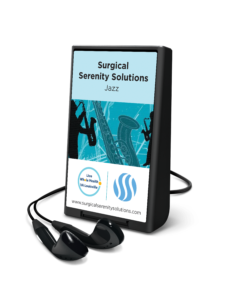
For the hospital staff, we now have our five therapeutic playlists available on small MP3 players that can be branded for the hospital and actually give to the patient after their surgery or procedure!  When hospitals do this, the first order can come out of the marketing budget! To see or purchase, go to www.surgicalserenitysolutions.com/MP3players.

No matter whether you’re the patient, the surgeon, or the hospital, we can help!  Music can make a tremendous difference in terms of reducing the amount of pain medication, anxiety medication, and recovery time. Research has documented this.

Apps: www.surgicalserenitysolutions.com/calm

Preloaded headphones: www.surgicalserenitysolutions.com/headphones

Preloaded MP3 players: www.surgicalserenitysolutions.com/MP3players

Please let me know if you have any questions!  Thanks for reading!

FacebooktwitterpinterestlinkedinmailFacebooktwitterpinterestlinkedinmail

Why Veterans need complementary therapy interventions

FacebooktwitterpinterestlinkedinmailFacebooktwitterpinterestlinkedinmail

MP3 Player with Jazz Playlist and hospital brandingVeterans in the USA have had access to music therapy and music medicine since the late 1940’s after World War II ended.  Thanks largely to the Veterans Hospitals, the modern-day field of music therapy was born.

When World War II was ending, many veterans suffered from not only physical injuries such as gunshot wounds,  broken bones, and amputations but also what was called “shell shock” and “battle fatigue. Remember, the field of music therapy didn’t exist, but many hospitals had music volunteers who came in.

At a hospital in Kansas, some very observant physical therapists, occupational therapists, and nurses observed that some men responded to the music of the “Big Band” groups when nothing else got their attention. This powerful observation led to our modern field of music therapy.

Why was this particular “Big Band Music” so powerful? Well, one of later music therapy’s observations was that the music of our “courting years” has such a powerful effect on our Mind-Body connections. These soldiers were young men who often had a girlfriend or wife waiting at home for them.

Music for Memory CareThe VA Hospital in Louisville, KY has just purchased 180 of our new MP3s and one of the playlists they are getting is the “Music for Memory Care” playlist. When I created this playlist, I included popular music from the 1900s, 1910’s, all the way through to the 1040s, when the Veterans were just returning from WWII. That generation loved “Tip-Toe Through the Tulips,” “By the Light of the Silvery Moon,” and “I’ll Be Loving You, Always.”
I have played these songs on the piano in Senior Centers, nursing homes, and church groups and and I have seen audience members immediately relax and smile and begin to sing along. Especially patients with dementia, or early Alzheimer’s are feeling scared and isolated. Things that were familiar and comforting to them are no longer familiar. Suddenly, they hear music from their youth or courting years, and this is still very familiar and brings back happy memories.

Neurologist and gerontologists who study the brains of the elderly are learning that even after a person’s familiar faces and orienting information are forgotten, the music from their youth and “courting years” are still familiar and a source of great joy and comfort. It’s kind of magical.

In 2015, the VA hospital in Louisville, KY, Robley Rex Medical Center, conducted a clinical research trial on our original pre-loaded, classical playlist headphones for surgery. This study was conducted on Veterans having major abdominal surgery. The researchers discovered a significant reduction in the opioid requirement for the Veterans listening through headphones to the classical playlist.

In this time of an opioid crisis, it is wonderful to know that something as simple as music can make a significant impact on pain perception. Now, hospitals around the world are tapping into this power using both the pre-loaded headphones as well as our new MP3 players.

So, bringing their work up to present day, music therapists are still an integral part of hospitals and music therapists do both group work and individual work. However, it’s 99% live performance. This makes the process very expensive for the hospital.

Surgical Serenity Solutions has curated therapeutic music lists from 5 distinct genres. that has been recorded for specific clinical purposes is now available and VA hospitals are again taking the lead to use our therapeutic music all over the hospitals to reduce anxiety and pain perception.

To get pricing for your hospital on these new MP3 players, got www.surgicalserenitysolutions.com/MP3players.

If you want individual headphones for surgical patients, go to www.surgicalserenitysolutions.com/headphones.

FacebooktwitterpinterestlinkedinmailFacebooktwitterpinterestlinkedinmail

Surgical Serenity Solutions helps more than just surgical patients

FacebooktwitterpinterestlinkedinmailFacebooktwitterpinterestlinkedinmail
healthy resting heartbeat entrains to music through headphones

Patient, after a colonoscopy, enjoying serene music that entrains with a healthy resting heartbeat

Surgical Serenity Solutions started as a tool for providing music medicine during surgery. My idea: helping patients who are terrified by the idea of surgery. The thought of anyone being terrified by anything is painful, but because I had been in that situation myself, I wanted to see if I could come up with a solution. Could soothing and comforting music help patients to get through the surgical process?

The idea of giving the patient lightweight, cordless headphones pre-loaded with the ideal music, seemed like the way to go!

That was almost 20 years ago and I am so happy to report that thousands of patients have now used our music to get through surgeries of all kinds, including colonoscopies, endoscopies,  kidney dialysis, labor and delivery, dental work, and behavioral health.

Introducing our newest product

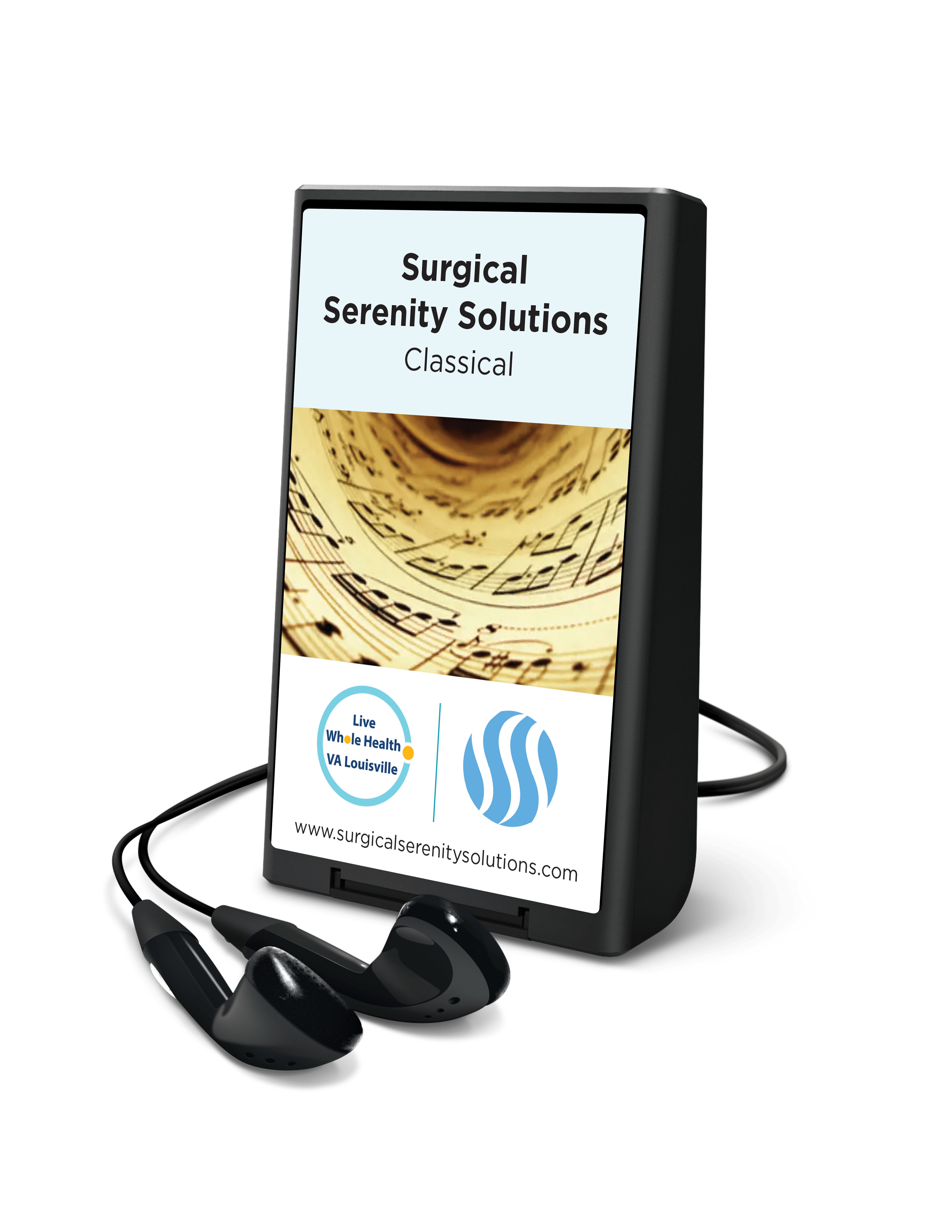
Because not everyone wants or needs cordless headphones, we are now offering small MP3 players, each one loaded with one of our five playlists. They come with earbuds and can be co-branded with YOUR hospital’s logo.

Our idea is that hospitals can buy them in great quantities and give them to patients to take home for further healing after their procedure. We have priced them so that the more you buy, the more you save.

So far our best customers include the VA hospitals in CA, AZ, NY, PA, and KY but we’re in lots of other hospitals around the country and are hoping to be introduced EVERYWHERE!

What do patients say about using this therapeutic music with their procedures?

Patient awakening from surgery using the surgical serenity headphones

“This music was gorgeous and lowered my anxiety from the moment the nurse put them on me in pre-op.” What a great idea this is. Thank you so much for coming up with this idea to help patients calm their anxiety. I love classical music but I didn’t know any of these pieces but I loved them all. What a great idea!” Owen H, Louisville, KY.

“Dr. Cash, thank you so much for helping me choose the perfect music for my hip replacement surgery.  The procedure went exceptionally smoothly and knowing that I had music that I loved made everything easier.  I plan to be back on my cross-country skis in February.” Barb E. New Hampshire

“My son’s surgery was yesterday.  He wore the headset for two hours before surgery and during the procedure.  Unlike his last surgery, all went well.  Lots of people were involved to make sure he reacted well to the anesthesia and other medicines provided.  They were very happy to let him use the headphones in the operating room.  He went into surgery thinking the headset would help keep him calm and need less anesthesia, and he did remain calm after coming around post-op.  We believe your music was integral to his good experience.  Many thanks! “ Faith Nguyen, California


What does the research say about the benefits of music medicine in a hospital setting?

When hospitals see the research (www.surgicalserenitysolutions.com/medical-research ) and realize how powerful the effects of therapeutic music can be, how much patients love this, and how cost-effective it is, they want to get these players for all their patients.

Surgical Serenity Solutions music was the subject of a clinical trial at the Robley Rex VA hospital in Louisville. At the conclusion, they wrote: “At the outset of this study, short perioperative and intraoperative
exposure to light classical piano miniature music, was effective in reducing perioperative pain in the first 24 hours in male patients after abdominal surgery. The use of music in the perioperative period is recommended as safe, inexpensive, complementary therapy, in addition to traditional approaches, for alleviating perioperative pain in male patients under general anesthesia.” International Journal of Anesthesiology & Research (IJAR) ISSN 2332-2780

Music as an aid for postoperative recovery in adults: a systematic review and meta-analysis

“Music is a non-invasive, safe, and inexpensive intervention that can be delivered easily and successfully. a music intervention could be offered as a way to help patients reduce pain and anxiety during the postoperative period. Timing and delivery can be adapted to individual clinical settings and medical teams.” The Surgical Serenity Solutions preloaded headphones or MP3 players are perfect for this!

The Lancet,

How Can YOUR hospital get these players for all patients?

We are still offering our original pre-loaded, cordless headphones for surgery. These can be re-used by adding our disposable earpiece covers and wiping down the headset band between patients. To purchase the headphones go HERE.

To purchase the new MP3 players that come with earbuds, Click HERE. You will be directed to a form asking about your hospital’s needs and wants. There are large discounts for bulk purchases, and the players can be co-branded with your hospital’s logo.

We want all hospitals to have access to the 5 beautiful playlists that have accompanied so many patients through difficult surgeries and other procedures. Don’t wait to have this easy yet powerful intervention in YOUR hospital!

FacebooktwitterpinterestlinkedinmailFacebooktwitterpinterestlinkedinmail

Surgical Serenity Solutions: Now Available for All Parts of the Hospital

FacebooktwitterpinterestlinkedinmailFacebooktwitterpinterestlinkedinmail
Elderly patient wearing headphones after surgery

Woman relaxed wearing headphones before surgery

Patients who are preparing for surgery or other anxiety-provoking procedures rely on Surgical Serenity Solutions to assist them through their procedure. Now, we are offering an additional product that will offer you soothing, therapeutic music throughout the clinic or the hospital and not only in surgery.

What is this new product?

Our new product is an MP3 player that can be loaded with any of our 5 therapeutic playlists: Classical, Jazz, New Age, Lullabies or Music for Memory Care. Over the past 15 years, patients and physicians alike have suggested that our headphones could be beneficial in so many other areas than just surgery. We are suggesting that hospitals purchase larger quantities of these MP3 players and actually give them to each patient after the procedure to take home for further benefit while recuperating/healing.

How can hospitals improve their revenue by adding Music Medicine to their services?

Because of hospitals and clinics ordering larger quantities we will be able to offer a considerably reduced price. AND we will offer each hospital or clinic the option to co-brand their MP3 players with their own logo. It’s going to be a win-win-win for everyone. The initial order can come from your marketing budget or as a fund-raising project.

Not only that but when hospitals employ music therapists, there are never enough to go around! In-person music therapy is absolutely the best, but most hospital budgets don’t allow for more than 3 music therapists per shift. Using our personal MP3 players with earbuds or headphones allows the patient to have therapeutic music, chosen by a clinical musicologist/therapy and the price is almost negligible! Why not have the best of both worlds!

patient waits for surgery with headphones on

Young patient listening music in bed in a hospital.

Areas that are interested in providing this complementary service to their patients include:

  • Labor and Delivery
  • Dialysis
  • Pain management
  • Chemotherapy
  • Behavioral Health
  • MRI
  • Mammography

ambulanceEmergency departments need non-chemical ways to calm patients

Many doctors and nurses have asked about why emergency departments and ambulances couldn’t have our headphones or MP3 players to calm and comfort patients as they wait for emergency services and treatments.

Once a patient is stabilized and prioritized, there is often a long wait. Overhead music or any kind of piped in music isn’t nearly as effective as listening through headphones or high quality earbuds.

Every day people suggest new areas of medical/dental care that would benefit from Music Medicine

Areas such as dental clinics, ambulatory surgery centers, children’s hospitals and cataract centers are just a few of the places that could be using Music Medicine through headphones or MP3 players to calm and comfort patients until treatment can begin. Or even while treament is going on and afterwards while the patient is being stabilized in the recovery room.

We are anticipating a huge boom in our services and are very excited about being able to reach so many more patients.

Yes, we will still be selling our pre-loaded headphones for the Surgical Suite (and to individual patients) but other areas of the hospital can  utilize the Serenity Solutions MP3 players.

To learn more about our products and to order for YOUR facility, go to www.SurgicalSerenitySolutions.com/hospitalheadphones!

Or reply to this post. Or email DrAlice@SurgicalSerenitySolutions.com.


FacebooktwitterpinterestlinkedinmailFacebooktwitterpinterestlinkedinmail

Rhythmic Entrainment: The heartbeat of Surgical Serenity Solutions

FacebooktwitterpinterestlinkedinmailFacebooktwitterpinterestlinkedinmail

Have you ever had surgery? It’s not something that anyone ever looks forward to. Many people find out suddenly that they need surgery just days before the doctor recommends it. There’s not a lot of time to prepare. Even if you have heard that music before, during and after surgery is a good idea, you don’t really have time to put together a playlist of your favorite calming, soothing, comforting music.

My Story

This is what happened to me. My back and leg had been bothering me for almost 6 months and it was definitely getting worse. I had done several rounds of physical therapy but it wasn’t getting better. I was trying to walk a little each day and also had gone to a hot pool water therapy class but it just was not getting better!

One day, after X-rays and an MRI, my doctor said that I was probably going to need disc surgery because I had a bulging disc and my left calf was getting numb. It was a scary moment. He scheduled me about 3-4 weeks out so I had lots of time to think about it and maybe it would get better on it’s own?

Because I was already working at the University of Louisville School of Medicine, doing research on the healing power of music, I was aware that using music before, during, and after surgery, could do all kinds of wonderful things for the patient. But the information I was seeing about this phenomenon was about using music through speakers in the operating room. Some doctors were in favor of this but some wanted to play THEIR favorite music. Understandable.

The Big Misunderstanding

At that time (1995) I was learning about the concept of rhythmic entrainment and about how much affects the patient having surgery. I was beginning to put together how rhythmic entrainment would be working on a patients biorhythms even if they were under anesthesia. I remember bouncing this idea off of some of my music therapist friends at the University of Louisville in an effort to understand why music wasn’t played more often in surgery in order to help the patient reduce the amount of anesthesia, anxiety meds and pain meds and there was really no good answer, I didn’t think.

So a patient’s body responds to the pulse of the music even thought the patient is not consciously “listening” to the music.

I hope this all makes sense to you and that you find it interesting!!  Please let me know if you have more questions.

FacebooktwitterpinterestlinkedinmailFacebooktwitterpinterestlinkedinmail

Updated FAQ’s about music delivery in surgery or medical procedures

FacebooktwitterpinterestlinkedinmailFacebooktwitterpinterestlinkedinmail

Elderly patient wearing headphones after surgery

There are certain questions that people have been asking about music with surgery since we launched in 2009, but there are also so many new advances in technology that the FAQ’s (frequently asked questions) change accordingly! If you have an additional question, please put it in the comments below! 🙂 Thanks!

Here are our 2024 Frequently Asked Questions

Can the headphones be used for things other than surgery?

Although our headphones  were created with the surgical patient in mind, customers/patients have now used them in dentistry, chemotherapy, childbirth, pain management, kidney dialysis, blood transfusions, blood draws, and in the back of an ambulance! At this point, I feel sure that there are many other uses as well. All the more reason to download these playlists onto your iPhone and have them ready to go!


Will my hospital have these waiting for me?

More and more hospitals are purchasing our headphones by the hundreds to have waiting for the patient on day of surgery, or colonoscopy or root canal, etc. We are creating opportunities for hospitals to get a lower price on the headphones when they buy large quantities to give to patients. Best to ask your surgeon in advance so you can plan ahead.

Can I download all five playlists on my iPhone?

Absolutely! Just go to the Apple App Store by going to www.SurgicalSerenitySolutions.com/calm.  Download all 5 or just one or two. The app is free and full of all kinds of information including a link to all of my blog posts. Each playlist is under $10. You won’t find a better non-pharmacological solution to anxiety and pain perception. Guaranteed!

Will my surgeon allow my iPhone or headphones in surgery?

In our experience, about 96-97% of surgeons allow the headphones. The key is whether or not they have seen the extensive research on the benefits of music during the perioperative period. Our music is the only therapeutic music already loaded onto cordless, lightweight headphones. Some hospitals and ASCs actually allow the patient to bring in their own headphones and stream the music from our app.

Is there actual clinical research on benefits of music for the patient during surgery?

Absolutely! There are 100’s of studies and meta-analyses of those studies. There is even a published study on OUR headphones and OUR therapeutic playlists.

Is there anything besides the headphones to use in surgery or in the hospital?

As of January 2024 there is nothing specifically for the patient. Some hospitals still play music over loudspeakers that is chosen for the doctors. The assumption is that the patient will soon be asleep so that there’s no need for them to have their own special music that is completely different from what the surgeon is listening to.

FacebooktwitterpinterestlinkedinmailFacebooktwitterpinterestlinkedinmail

Music in the Operating Room

FacebooktwitterpinterestlinkedinmailFacebooktwitterpinterestlinkedinmail

The use of music in the operating room is not new. The idea of music for the PATIENT in the operating room is much newer! However even that has been done by some innovative and insightful doctors even since the 1950’s.  The question is: does it really make a difference? Aren’t the patients asleep and totally oblivious to the music? THAT’s the question I want to address today!

The YouTube video above that I’m sharing comes from an anesthesiologist in New York. He seems like a really nice guy, fun guy, and a good anesthesiologist I’m sure. But he’s talking exclusively about music for the doctors in the operating room.

He talks about how they take turns choosing the music. If the patient requests something specific, he says that they honor that request, but once the patient is alseep, they choose what they want to hear. The problem is, the patient’s body does respond to that music, even if they are not consciously listening/hearing the music.

Our bodies respond to the pulse and vibrations of music whether conscious or unconscious. That’s why people who’ve been in comas for lengthy periods wake up reporting that they heard the music you played or sang; they appreciated the talking you did to them, and the reading you did, keeping them abreast of their condition or the family.

THAT is precisely the reason that we created Surgical Serenity Solutions! So that the patient could have their ideal music through pre-loaded headphones while the doctor has his ideal music through speakers in the OR.

Surgical Serenity Solutions is the only company in the world selling pre-loaded headphones to both hospitals and patients. To learn more and purchase, go to www.SurgicalSerenitySolutions.com

Here’s to a successful surgery and a rapid recovery!

FacebooktwitterpinterestlinkedinmailFacebooktwitterpinterestlinkedinmail
Go to Top